

Welcome to the first Ask an Architect (aaa) publication.
This is new series where we open up the studio and answer your questions - from what architects do day-to-day, to the ideas shaping the future of housing in Aotearoa.

A great question and one we like to think of ourselves as experts at. To answer it, we want to share three examples of how we have tackled this challenge in past projects. As a practice based in windy Wellington, bringing the outside in and extending living spaces outdoors often requires a fundamental shift in thinking early in the design process.
Anecdotally, Wellington experiences only around six truly windless days a year. Yet drive through many newer suburbs and you will see north facing deck after north facing deck, often unused and littered with the remnants of lightweight outdoor furniture that has flown the coup.
To us, that doesn’t make much sense.
Here are three projects where architecture and careful thinking create usable outdoor spaces even in the wildest winds, allowing houses to extend their living areas outdoors on those sunny days when the breeze is still doing its thing.
01: Up and down the valley
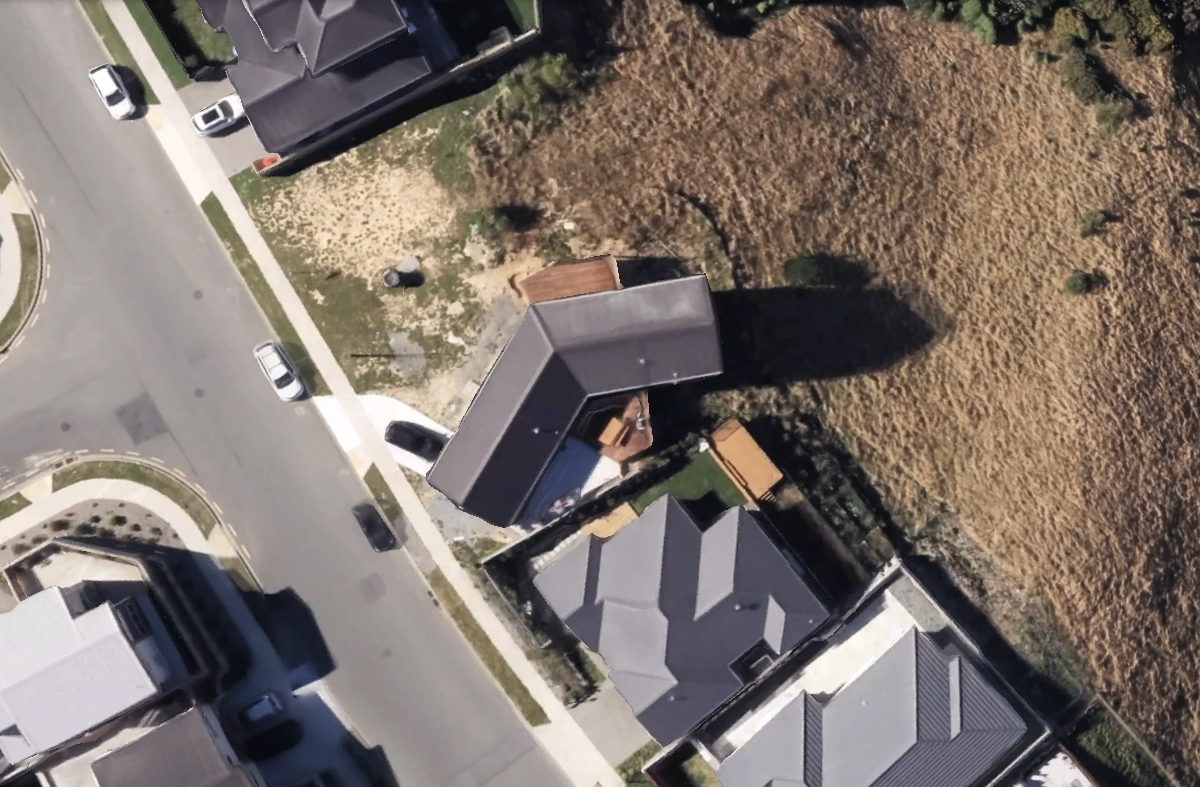
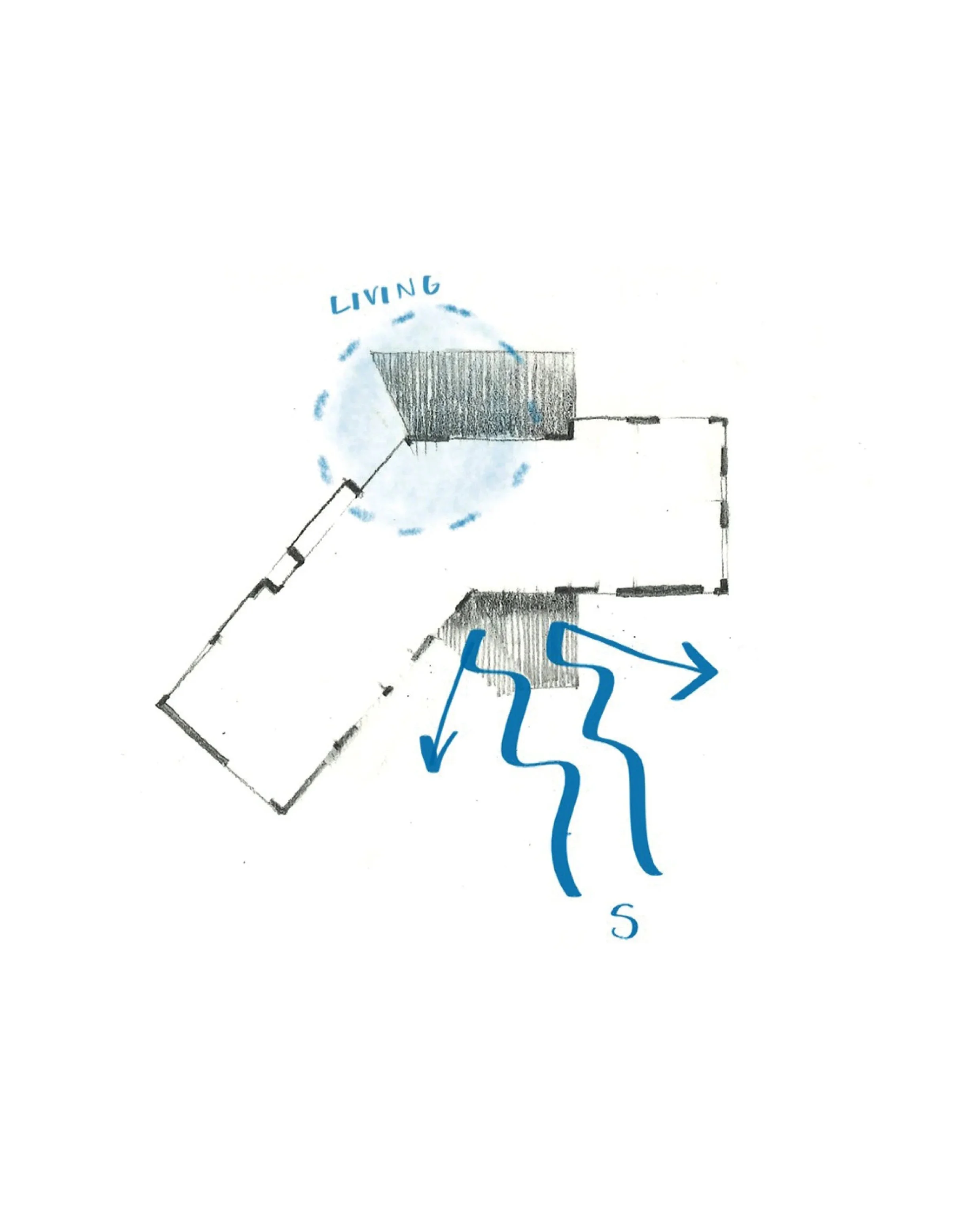
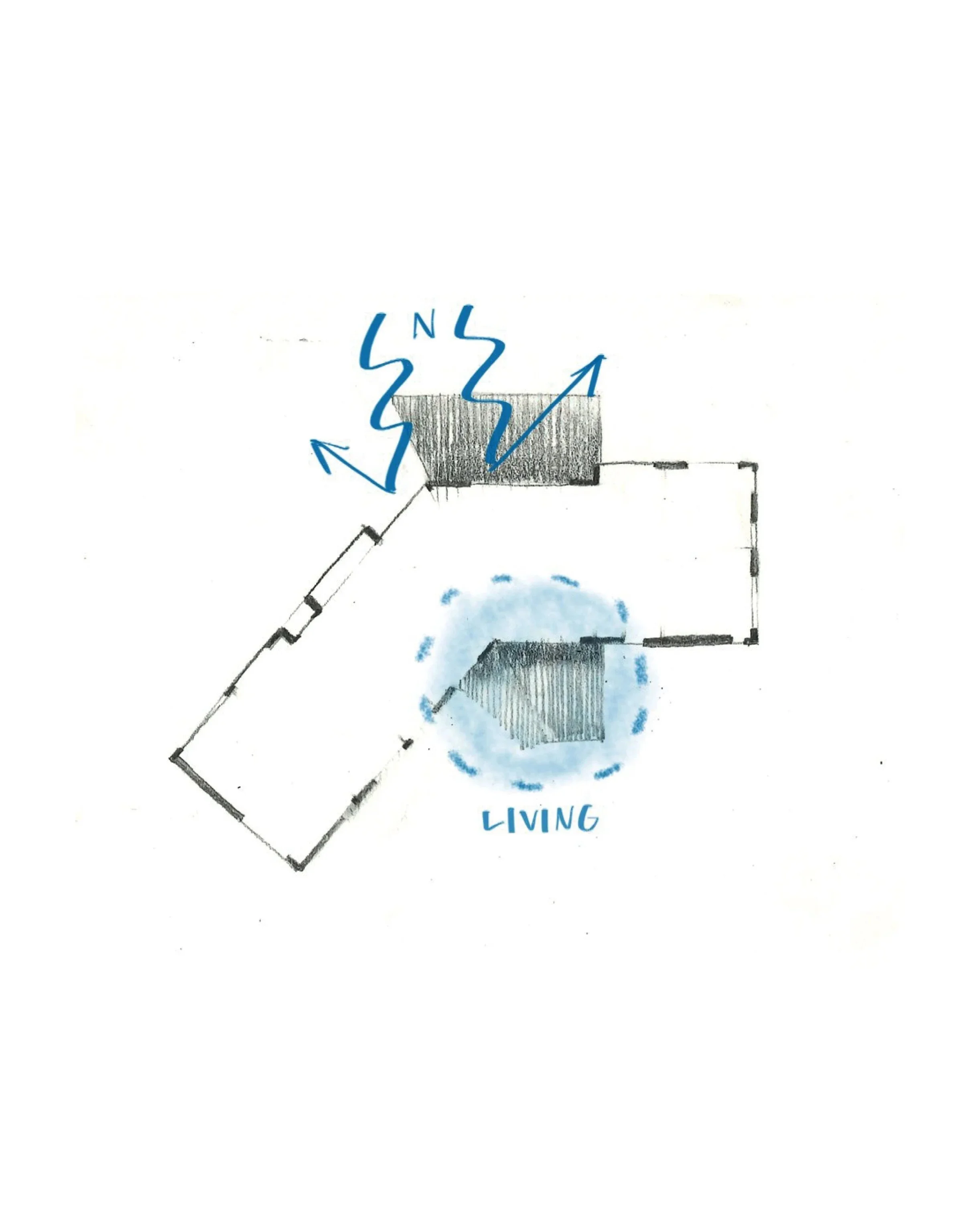
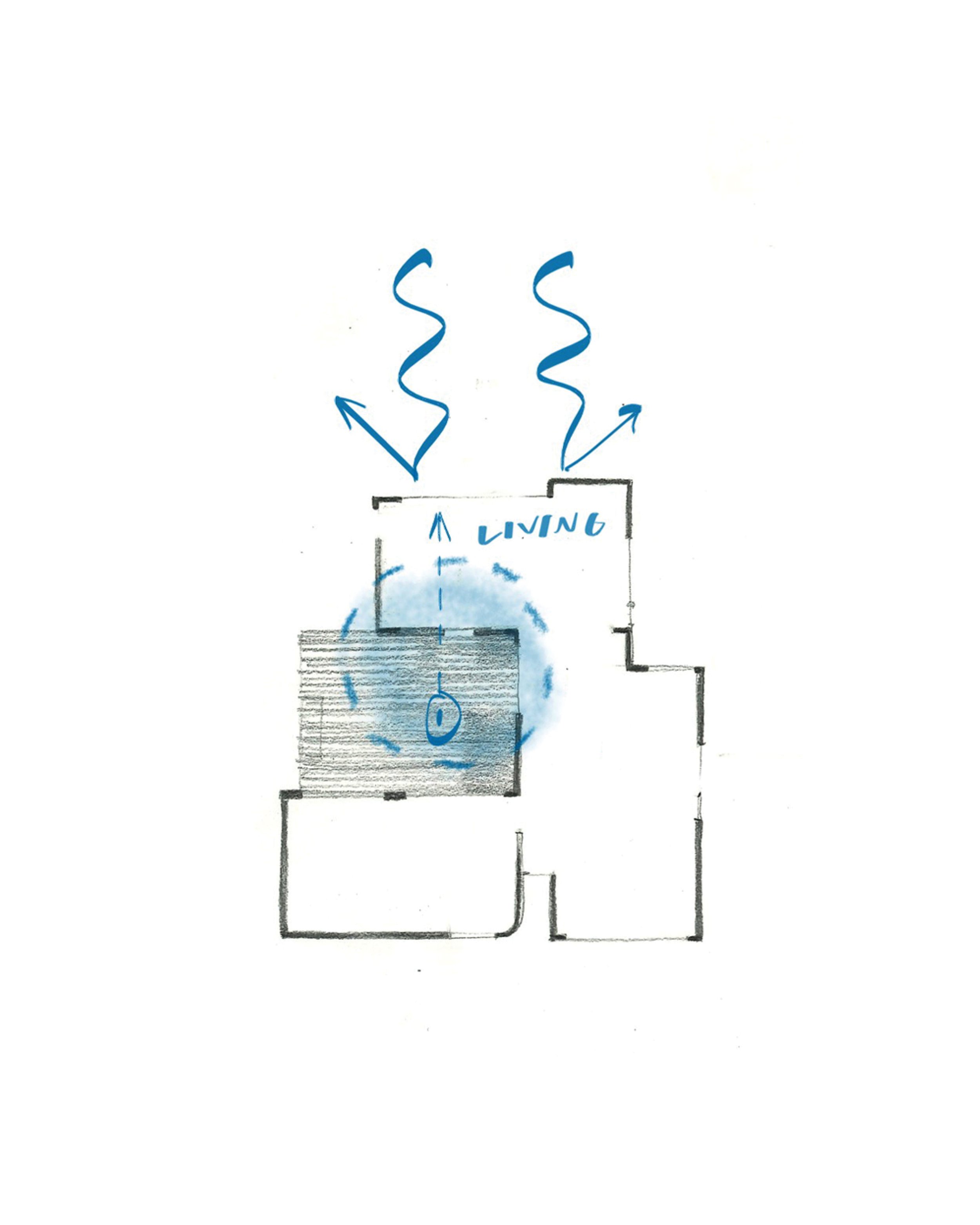
This house sits along a valley in Wellington’s northern suburbs where wind funnels strongly north and south. Our response was to shape the building footprint into an arrowhead aimed toward the prevailing northerly. Like the bow of a ship, the form cuts through the wind and deflects it around the building, creating a sheltered southern outdoor area that connects directly to the living spaces.
Careful consideration of the pitched roof still allows northern sun to reach deep into the southern courtyard throughout the day, and the same strategy works in reverse when a cold southerly arrives.
Central to the success is the main living area, which opens to both north and south, seamlessly connecting indoors and outdoors regardless of wind direction.
02: The sea breeze
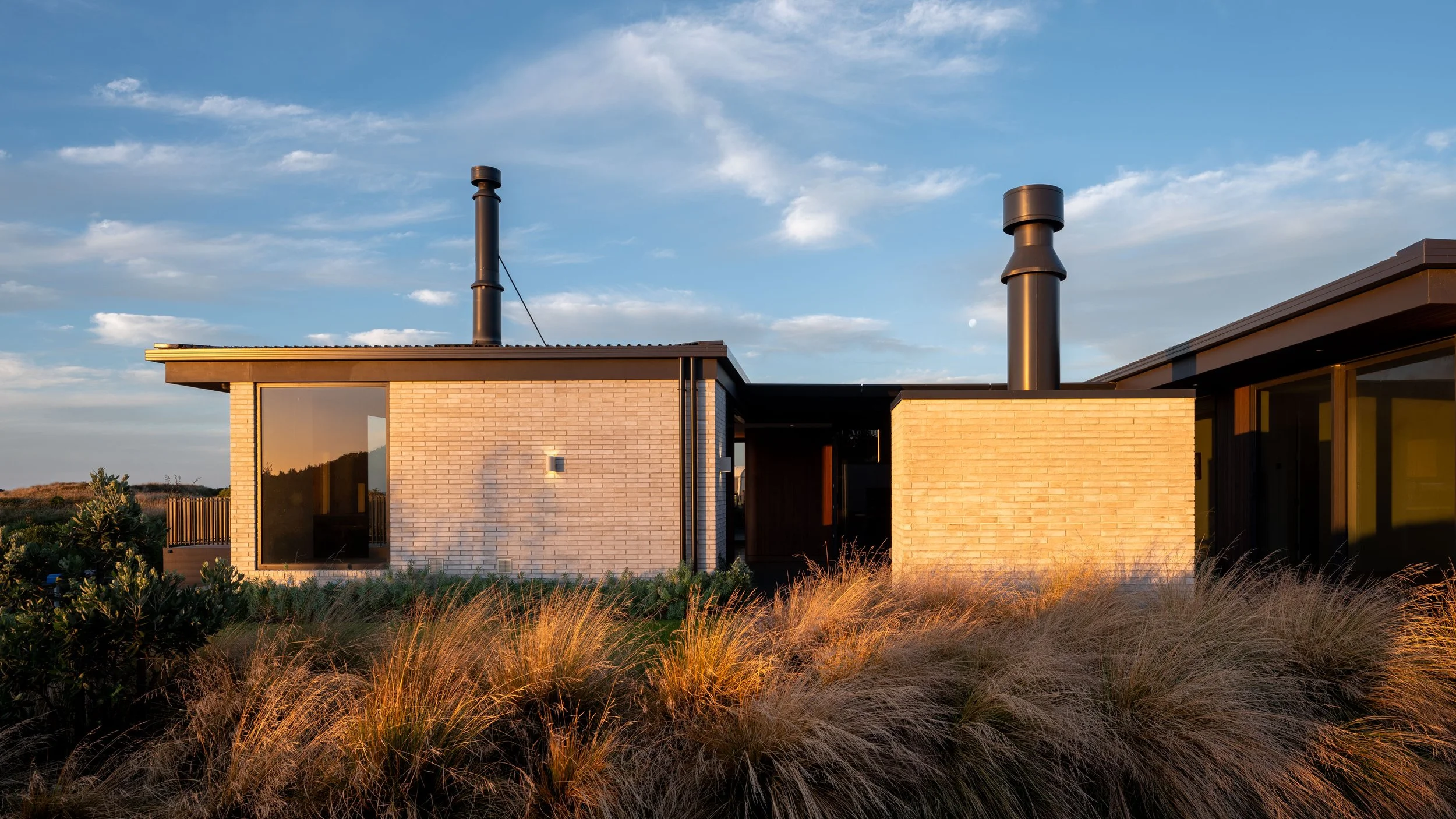
This house on the Kapiti Coast lives with sea breezes as a constant companion, even on the nicest days. The building is arranged around an open courtyard, or backwards C shape, forming a sheltered outdoor room that remains visually connected to the coast and captures the last of the late afternoon sun in the south west.
The strong building form creates a usable courtyard year round, extending the living area outward thanks to large sliding doors and glazed walls that blur the boundary between inside and out.
On the best days, with everything open, the living spaces become an outdoor pavilion by the sea.
03: Living on the deck
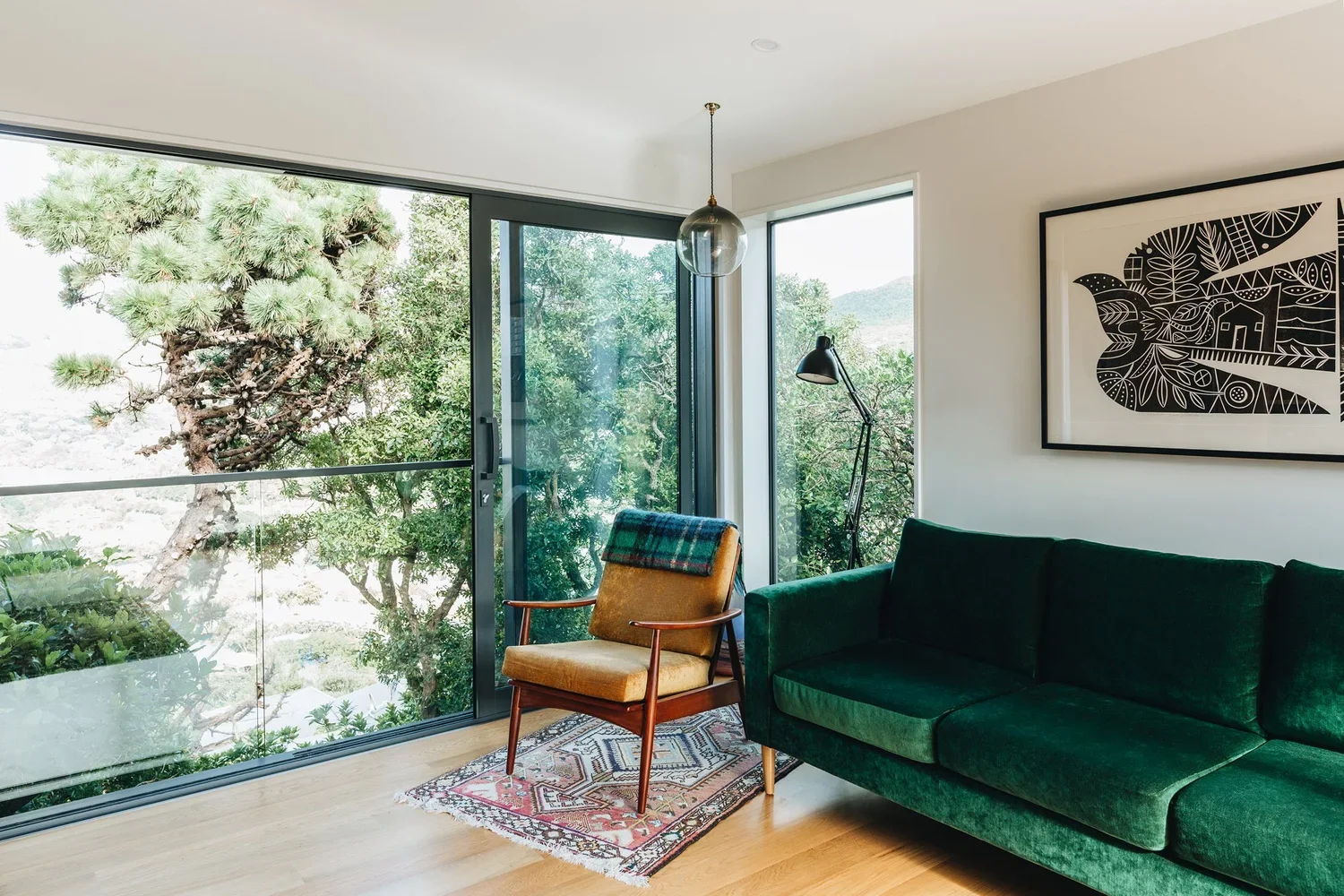
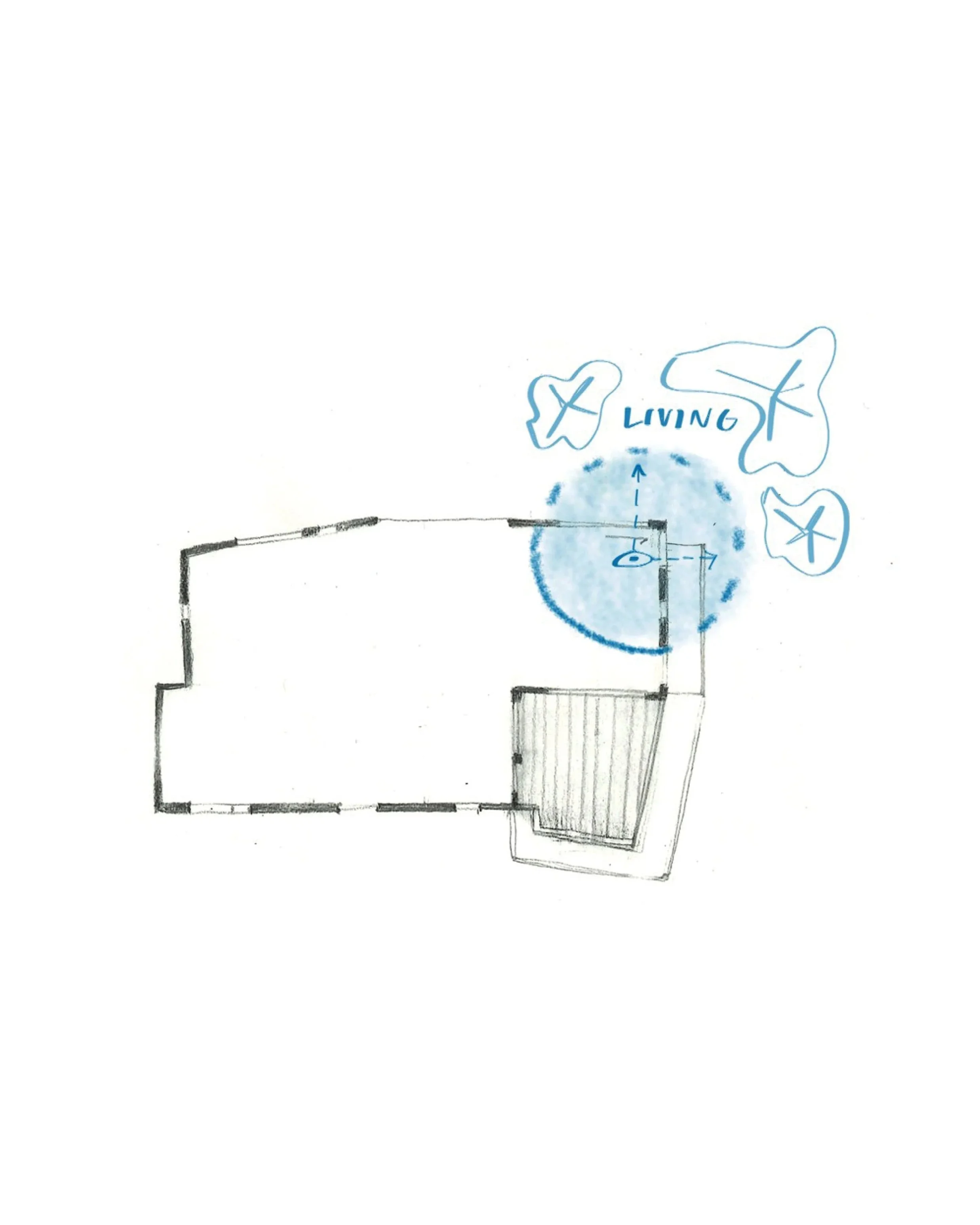
Taupata Treehouse is a small infill home in the Wellington hills took a very different approach. With limited space on site, a modest budget, and a steep section, building a north facing outdoor deck would have been costly and likely underused. Instead, we focused on creating the feeling of being outdoors while still inside the house, effectively using the same footprint twice.
We talk about it as “living on the deck.” Rather than actually building one that might only be used a handful of days a year, we used large sliding doors to create the feeling of disappearing walls. You feel like you are sitting on a covered deck while still in the living room. Close the doors and you are instantly back inside again.
Together, these projects show just a few of the ways we think about indoor outdoor connection. It is always site specific and shaped by wind, sun, views, budget, and how you want to live. For anyone who has spent time in Wellington, the copy and paste north facing deck rarely tells the whole story.
Talk to us about your windy site.
