

Multi-Unit & Medium-Density Housing
Townhouse and multi-unit developments that people genuinely want to live in - designed for yield, buildability and performance from the first feasibility sketch.

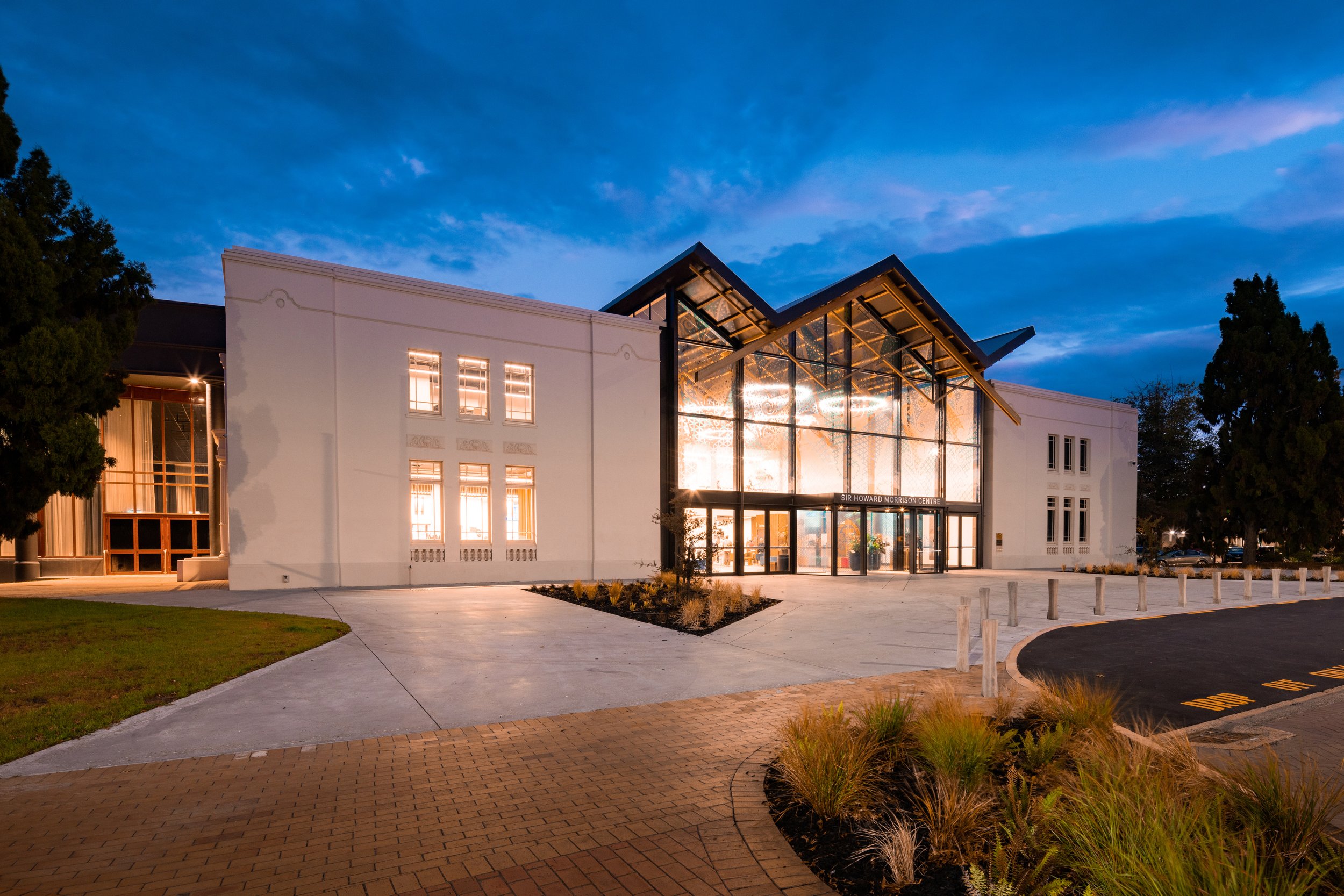
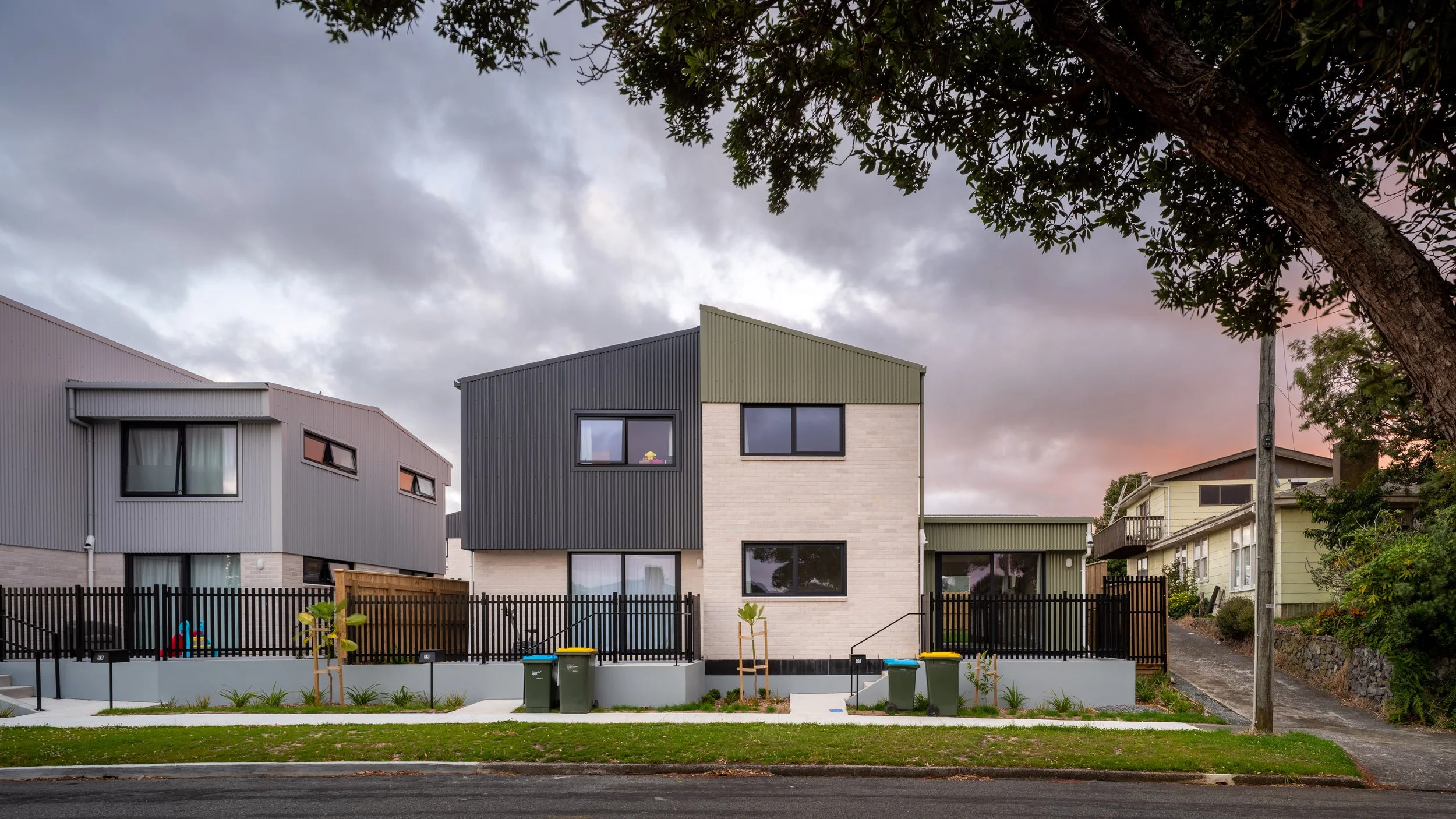
Ngārara Lots 11-14
Kāpiti Coast, New Zealand

Cardrona Abodo Alpine Village
Cardrona, New Zealand
Density done properly is just good housing, multiplied. Homes designed around the people who live in them - even twenty at a time.
First Light Studio is a Wellington architecture practice designing multi-unit and medium-density housing throughout New Zealand, and has won NZIA Architecture Awards every year since 2017 - including consecutive multi-unit wins with Fair Acres in Palmerston North (2025) and Our Whare Our Fale in Wellington (2026). Our multi-unit work spans townhouse developments, papakāinga and community housing, from the Kāpiti Coast to Cardrona.


Timber framed
Off-site
CLT
Feasibility & yield first.
Every multi-unit project starts with the same question: what can this site actually deliver? Our feasibility and yield studies test unit count, typology mix, planning constraints and indicative costs before serious money is committed - so the scheme you consent is the scheme that stacks up.
Designing within the planning rules.
Medium-density rules differ by council and keep evolving - height limits, density provisions and design guides all shape what a site can carry. We track the district plan settings that matter for intensification in Wellington and beyond, and design schemes that consent cleanly rather than fight the rules. Where a site sits on the boundary of what's enabled, our feasibility work tells you early - before the consenting strategy becomes an expensive surprise. We can then work with you to engage a planner and council as needed.
Performance as a selling point.
First Light Studio are certified Homestar Designers and Assessors, so ratings targets are designed in from concept and certified in-house. For developments, Homestar isn't just compliance - certified homes qualify buyers for discounted green lending at most major banks, and performance is increasingly what differentiates units in a crowded market.
Housing that builds community.
Multi-unit design is dense-living design: privacy without isolation, shared space that works, and homes that feel individual within a repeated system. Projects like Our Whare Our Fale - designed with and for the Pacific community - and our community housing work show what medium density can be when it's designed for the people living there.
Built to be built.
We design multi-unit housing as a system, not one house copied twenty times: a disciplined materials palette and construction methods matched to the project - CLT, off-site prefabrication, or conventional timber framing - tested against QS estimates at every stage.
Selected multi-unit projects


Performance, certified in-house

First Light Studio are certified Homestar designers and certifiers - one of the few New Zealand practices able to design a development to a Homestar target and certify it under one roof. Homestar is the New Zealand Green Building Council's rating tool for healthy, efficient homes, and increasingly the benchmark that councils, Kāinga Ora and lenders expect of multi-unit development. Designing to the rating from concept, rather than assessing it after the fact, protects both the certification outcome and the budget. Where a project calls for more, we work with the professionals to design certified Passive Houses.
Your questions, answered


Fair Acres Townhouses
Palmerston North, New Zealand
Ngārara Lots 1-5
Kāpiti Coast, New Zealand
-
Yes, from feasibility and yield studies through resource consent, detailed design and construction. Our recent multi-unit work has won NZIA Architecture Awards in consecutive years, and our in-house Homestar capability means ratings targets are designed in from day one. -
We test what your site can deliver: unit count and typology options, planning constraints, servicing and access, indicative build costs, and the Homestar or performance pathway. You get a clear basis for the go/no-go decision before committing to full design.
-
It depends on the site's zoning and the current district plan settings - some medium-density development is enabled as of right, while other schemes trigger consent through height, density or design standards. Consenting strategy is part of our feasibility work, and we design schemes to consent as cleanly as the site allows.
-
Homestar is the New Zealand Green Building Council's independent rating for the health, efficiency and sustainability of homes. Councils and Kāinga Ora increasingly require it on multi-unit projects, and most major banks tie discounted green lending to certified ratings. First Light Studio are certified Homestar Designers and Assessors, so certification is managed in-house rather than through a third party.
-
Homestar 6 represents a home meaningfully better than Building Code minimum - warmer, drier, more efficient - and is the common benchmark for green lending. Homestar 8 is a substantially higher standard approaching Passive House levels of performance. The right target depends on the market, the budget and the brief; because we design and assess in-house, we can assist in pricing the difference early.
-
Yes - community and social housing is a significant part of our multi-unit practice. See our work with Community Housing Providers.
-
Yes - and multi-unit is where Passive House economics work best, because shared walls reduce the envelope area per home. Where a development calls for it, we work alongside certified Passive House consultants to deliver to the full standard.
-
Repetition, discipline and early contractor input: smart structural grids, a controlled materials palette, and designs tested against QS estimates at each stage. Good multi-unit architecture is a system that works together.


Contact First Light Studio.
If you're interested in working with us, complete the form with a few details about your project. We'll review your message and get back to you within 48 hours.
Why First Light?Design Led - Architecture that enhances how you live and adds long term value.
Sustainable outcomes - Better performance, comfort, and lower environmental impacts.
Collaborative process - Clear communication and guidance from concept to completion.