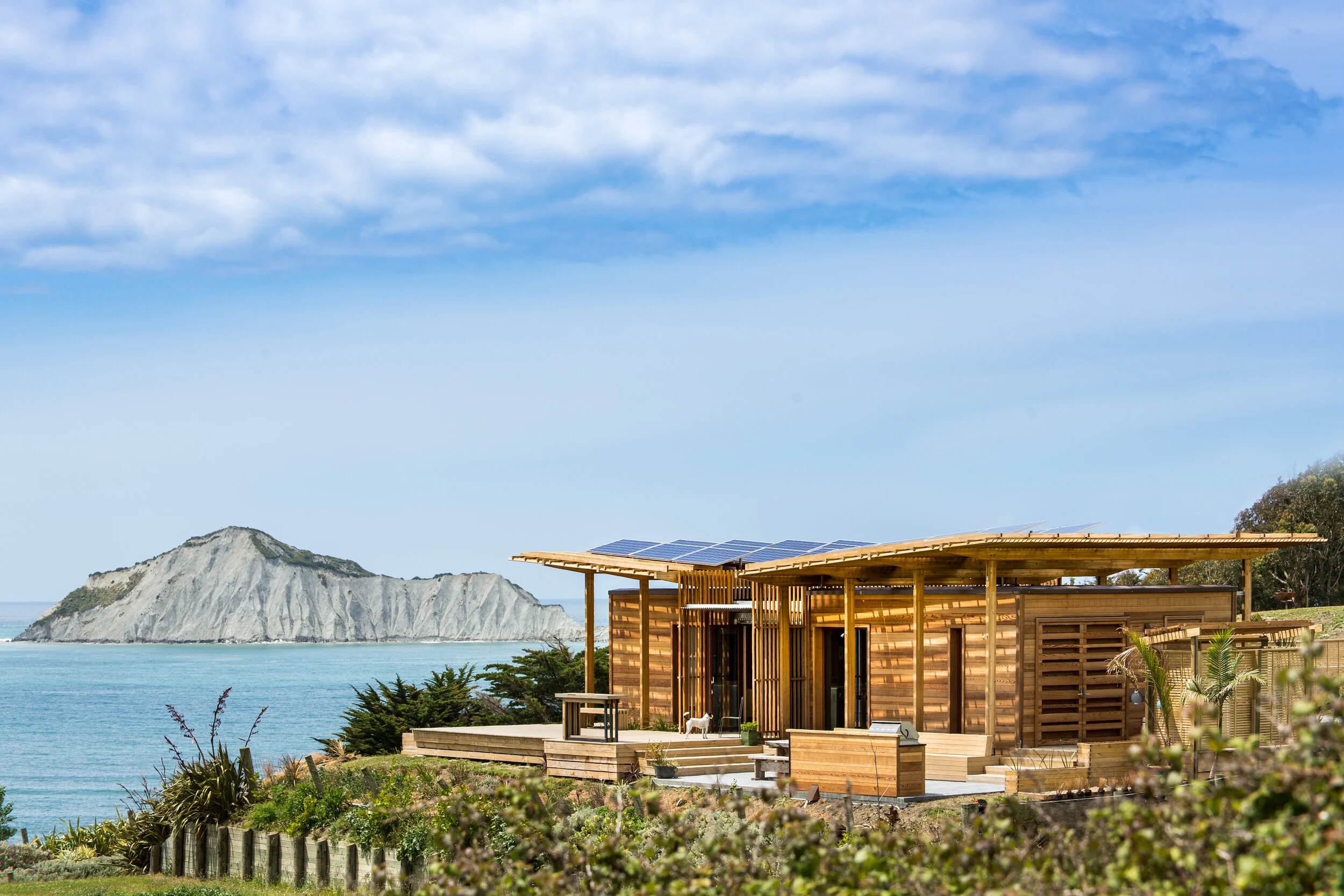

Fifteen years ago, a little New Zealand house travelled to the other side of the world. Looking back now, it contained almost everything First Light would become.
In September 2011, the First Light House stood in Washington D.C., surrounded by homes designed by some of the world’s leading universities. It had crossed the Pacific in pieces, packed into shipping containers and put back together by a young team of New Zealanders who had never done anything quite like it before. We were the first team from the Southern Hemisphere to compete in the U.S. Department of Energy Solar Decathlon and, perhaps because we were young enough not to know better, we weren’t particularly afraid of the scale of what we’d taken on. We became known as the team of doers.
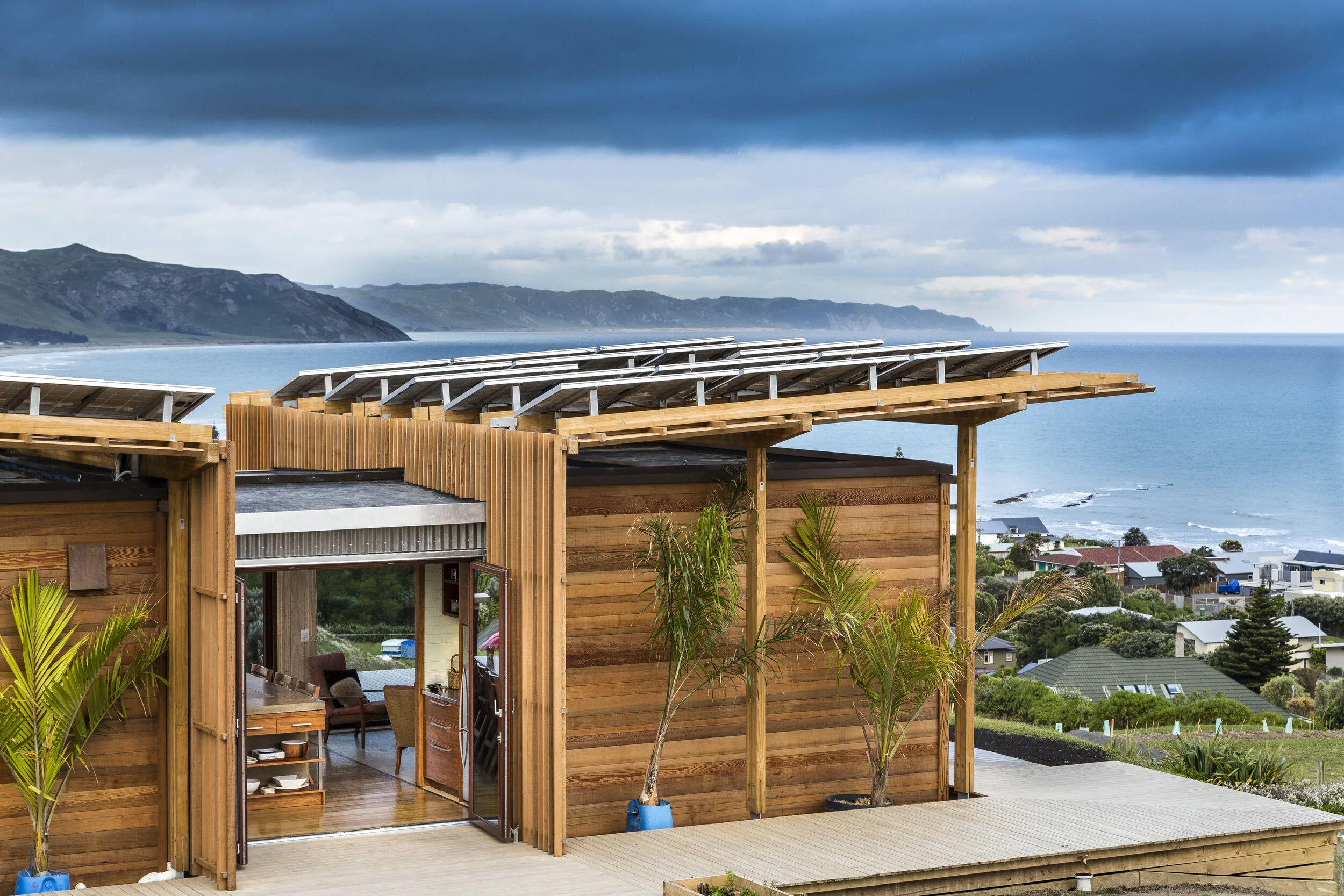
The house we took with us told a distinctly New Zealand story. It was inspired by the bach, not so much as an architectural style but as a way of living: simple, efficient and deeply connected to the landscape, with spaces that brought people together and made the most of what they had. At a competition concerned with the future of energy and housing, our response was in many ways remarkably uncomplicated. Before generating more energy, use less of it. Before building more space, make better use of the space you have.
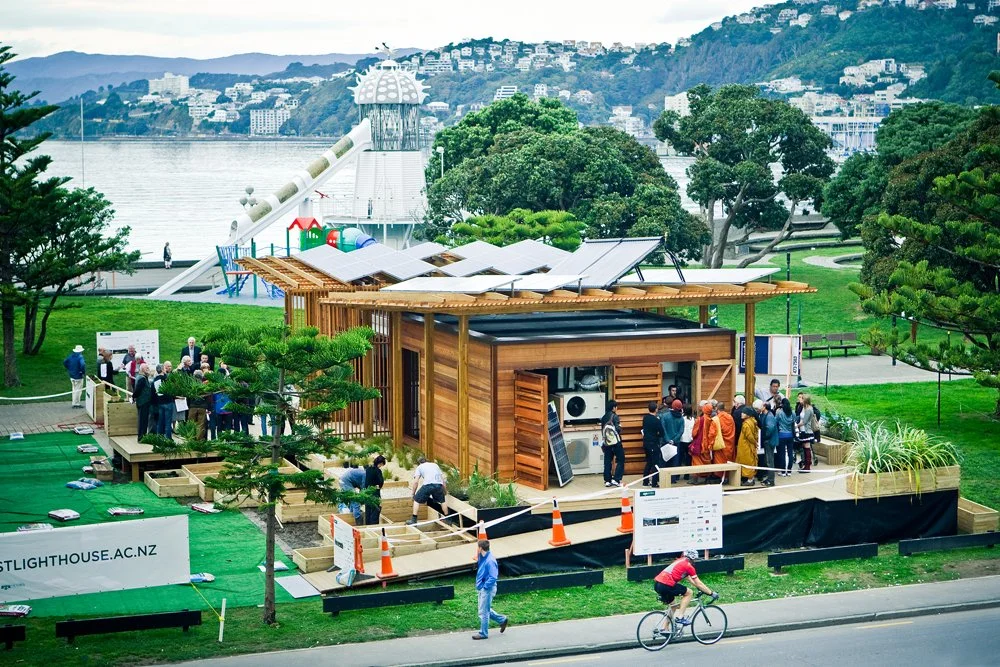
The First Light House on the Wellington Waterfront.
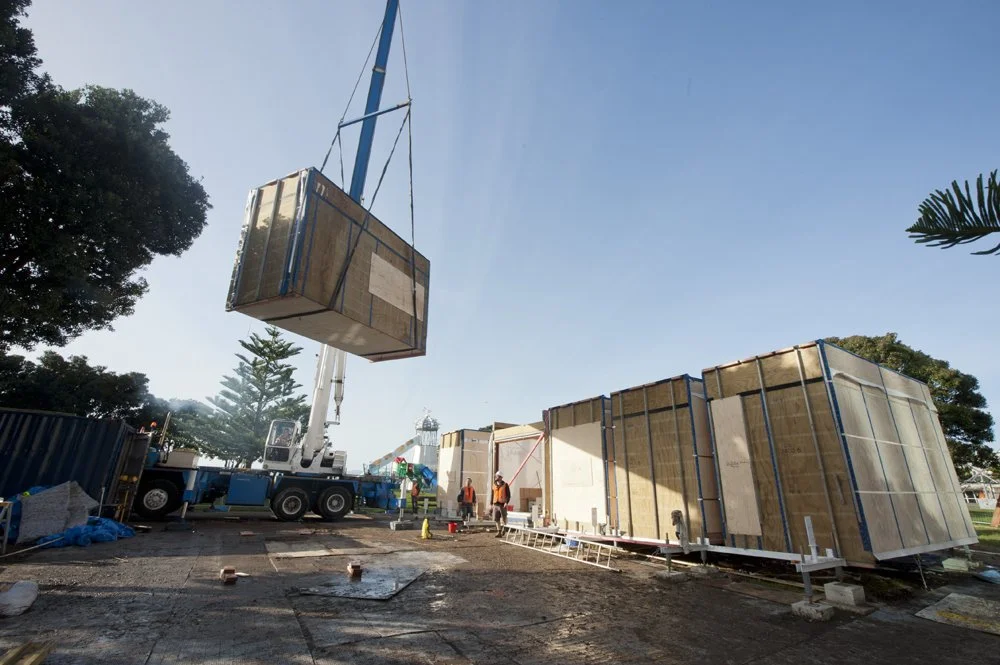
The First Light House was transported in parts and reassembled in Frank Kitts Park.
It worked. The First Light House finished third in the world and won the engineering competition, an extraordinary result for a young team from a small country on the other side of the world. But with 15 years’ distance, the competition result feels like only one measure of its success.
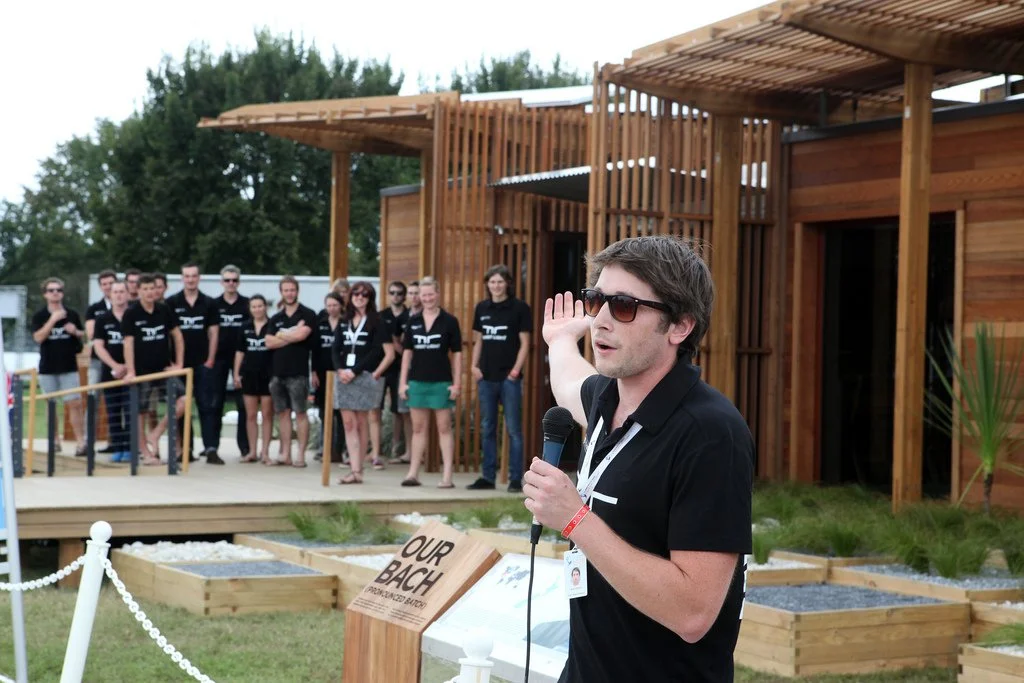
Nick Officer translates the First Light vision at the Solar Decathlon in Washington, DC.
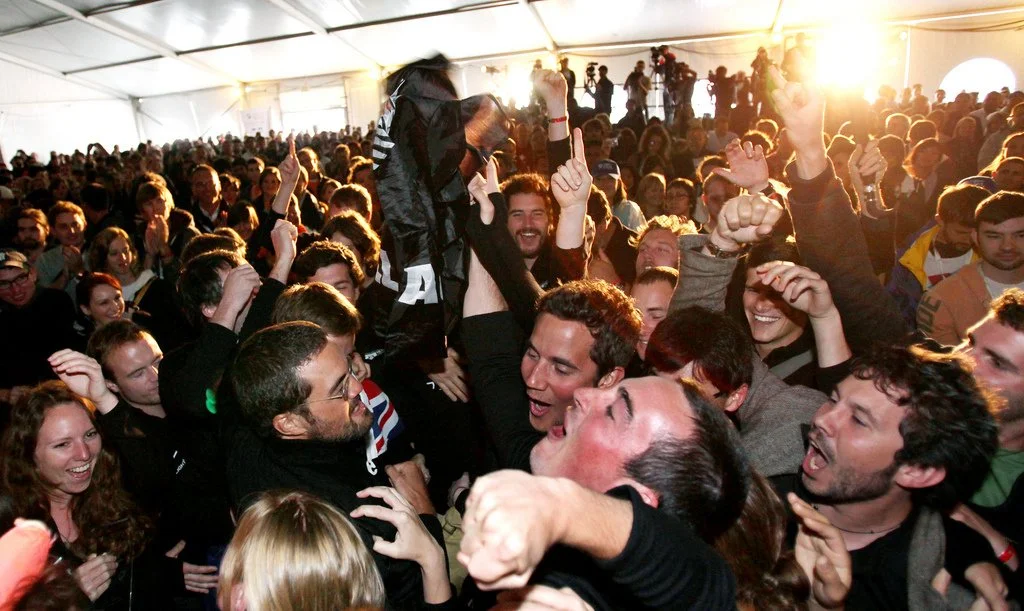
The team celebrates at the Solar Decathlon.
What strikes us now is how much of First Light was already there.
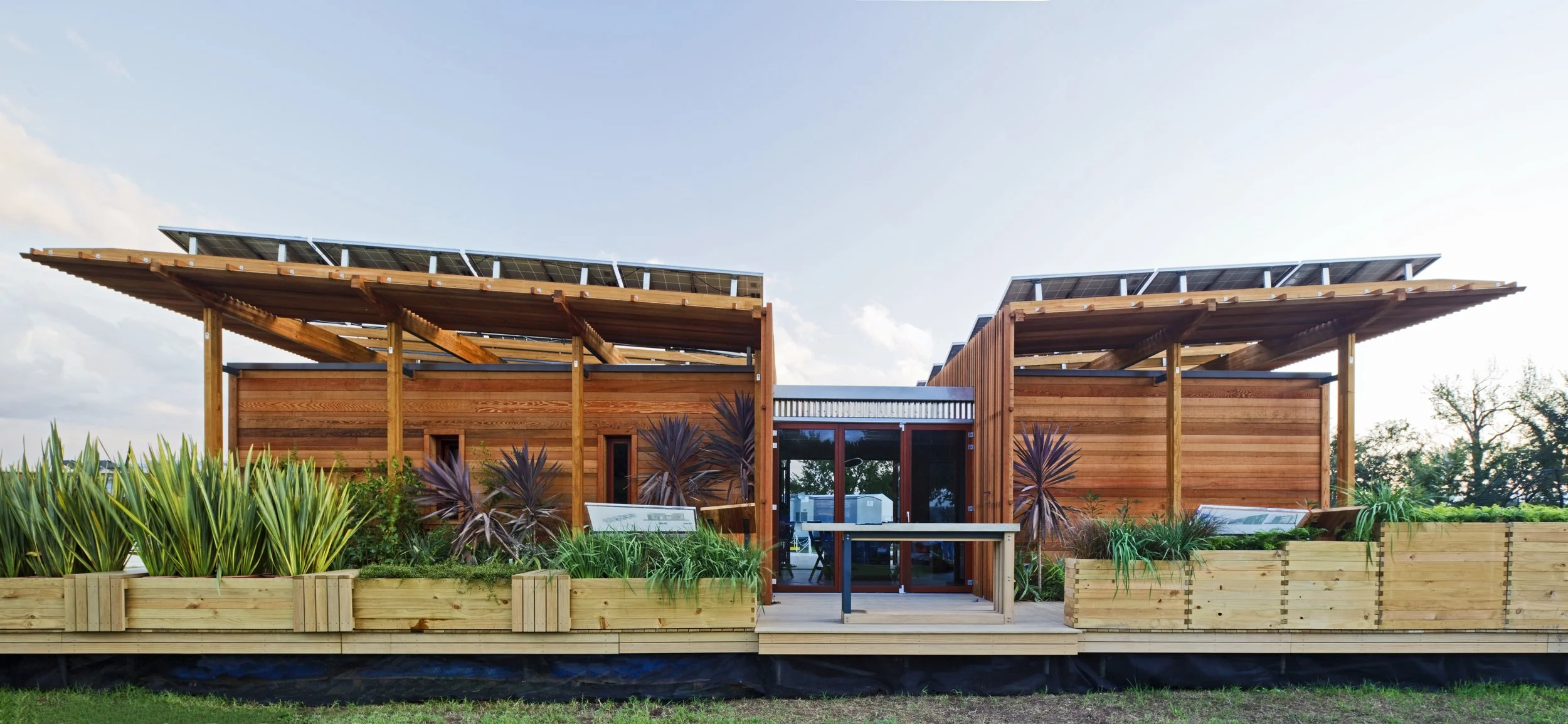
The house was small, smart and carefully considered. Every part of it needed to work hard. It prioritised sunlight, landscape, performance and the way people came together. The unlikely challenge of sending an entire house halfway around the world also forced us to think about buildings as systems: how they were made, how efficiently they used materials, and whether there might be better ways to build them.
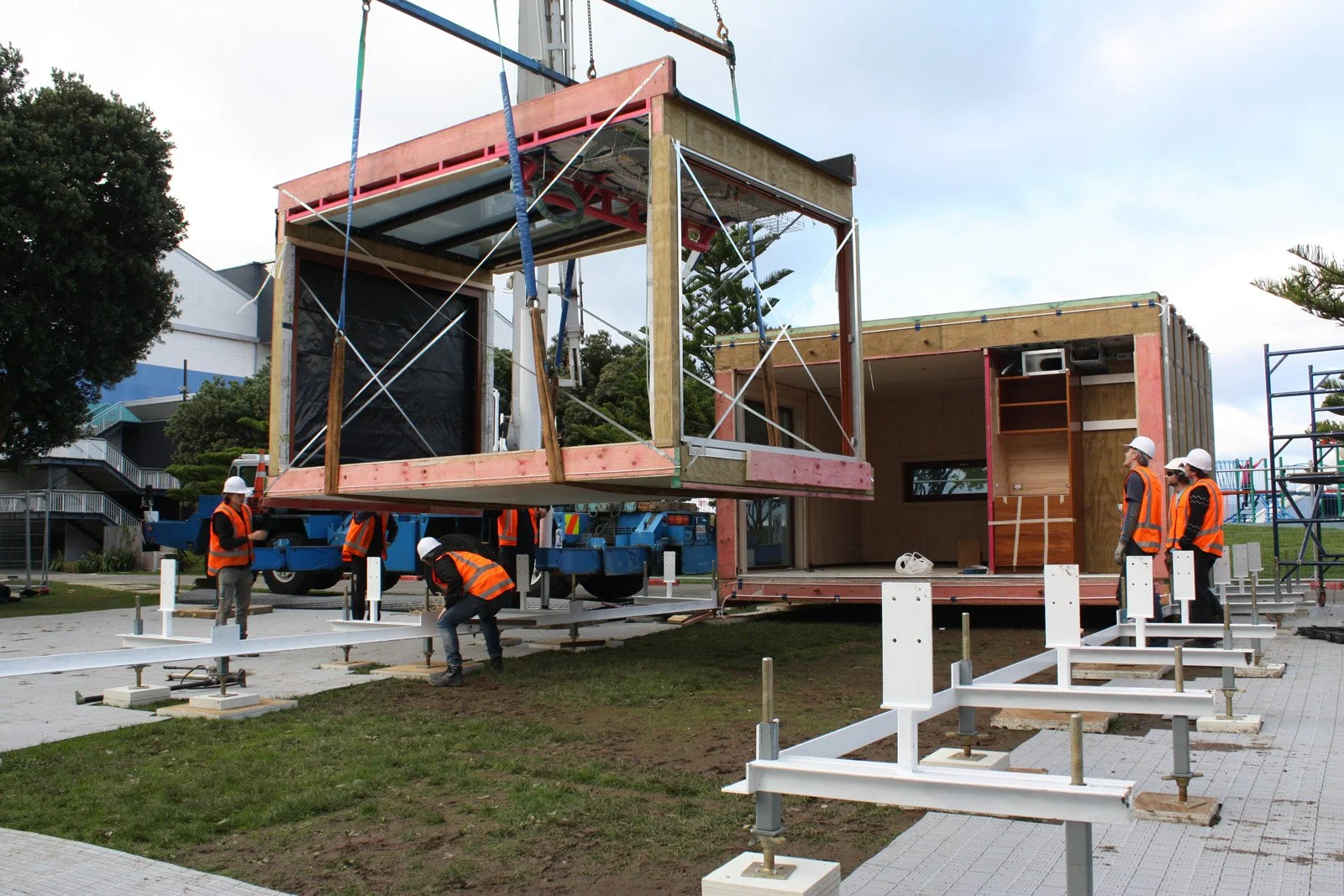
Image: Reassembly of the First Light House on Frank Kitts park.
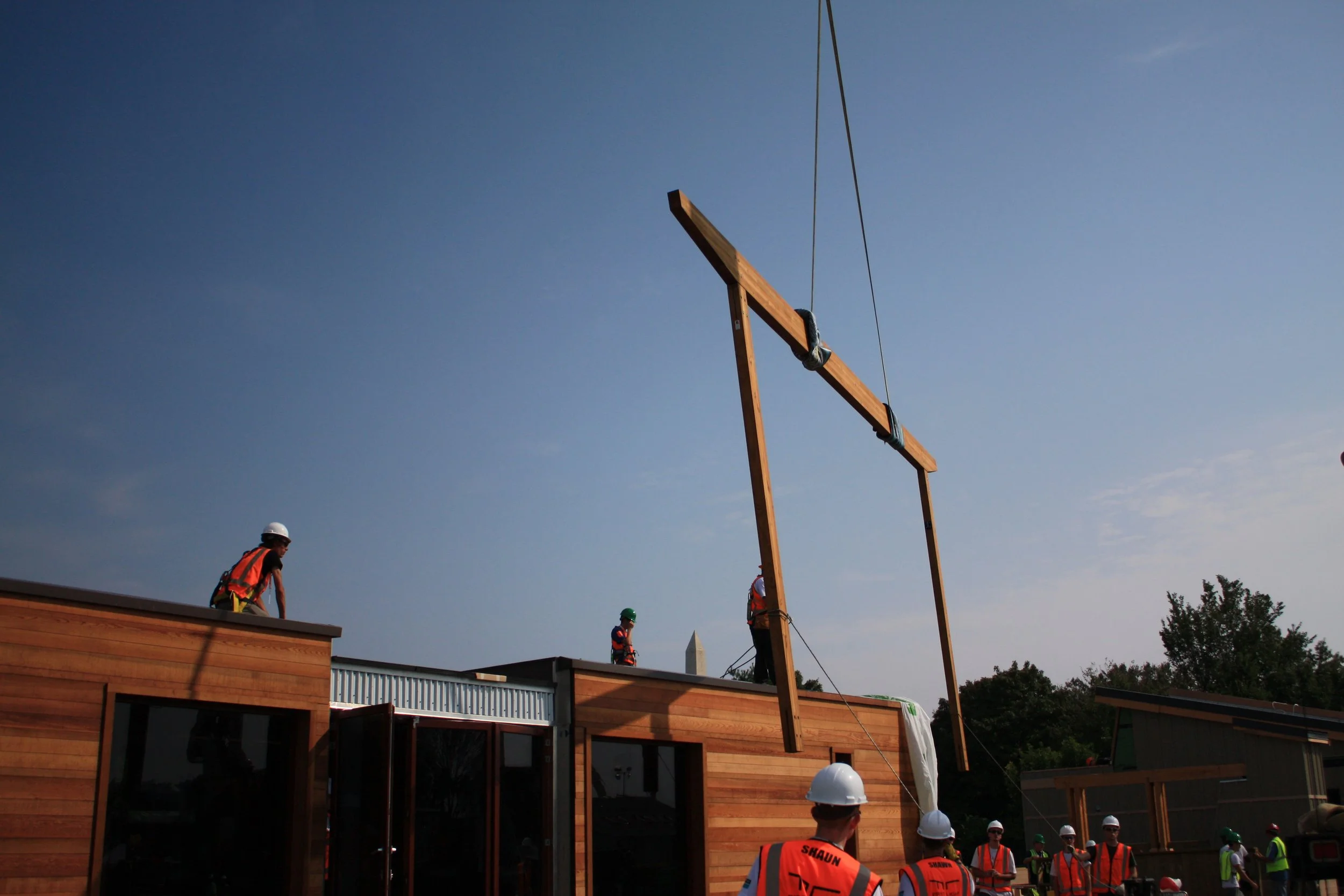
Image: First Light team of Victoria University students reassemble The Meridian First Light House on West Potomac Park, Washington D.C.
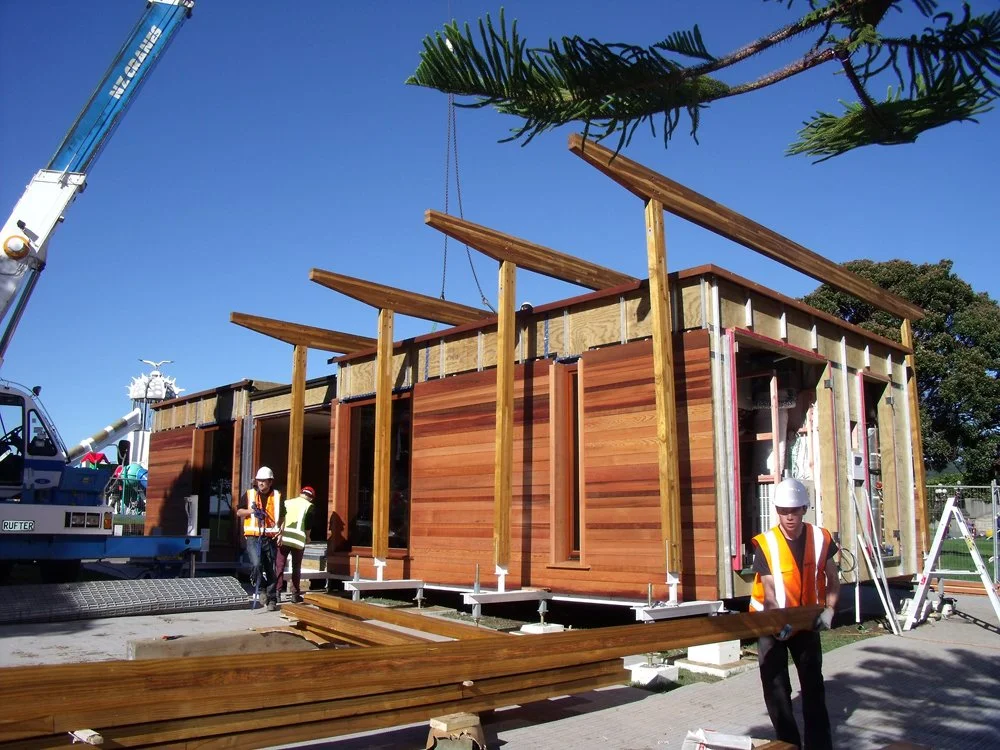
Image: The First Light House getting ready to welcome over 20,000 visitors on Frank Kitts Park, Wellington.
Those ideas have been tested over 15 years of practice, but they haven’t gone away. They have taken us into prefabrication and high-performance homes, into development and construction, and into community housing where the same thinking can benefit many families at once. We still love the intimacy of designing one home for one family, but we’ve always believed architecture should reach further than the relatively few people able to commission a bespoke house. Today we’re equally comfortable asking how those skills might be applied to one house or one hundred.
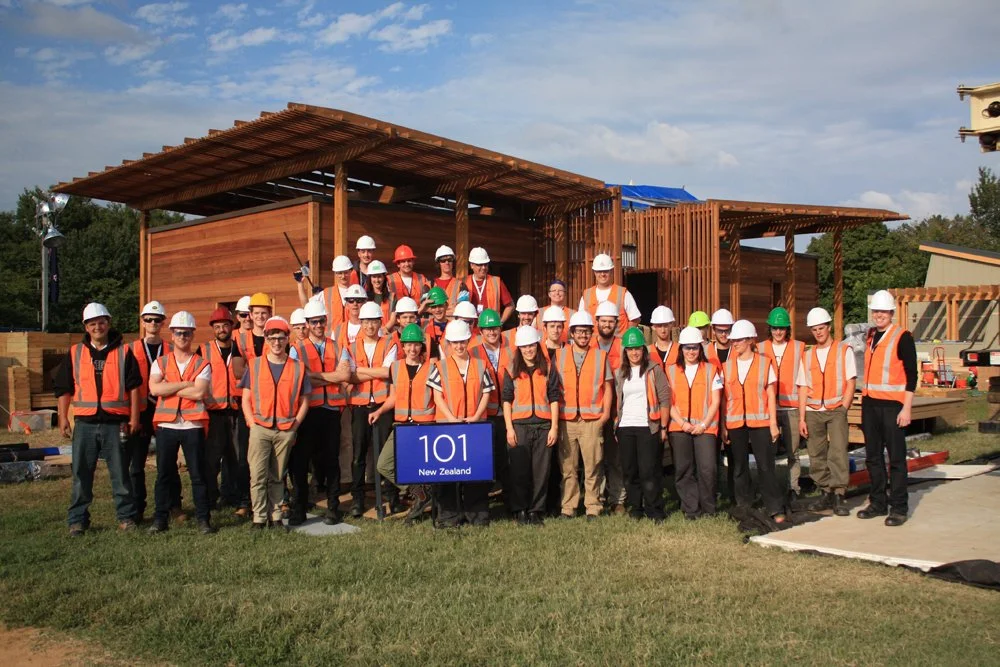
Image: The New Zealand First Light team at the Solar Decathlon.
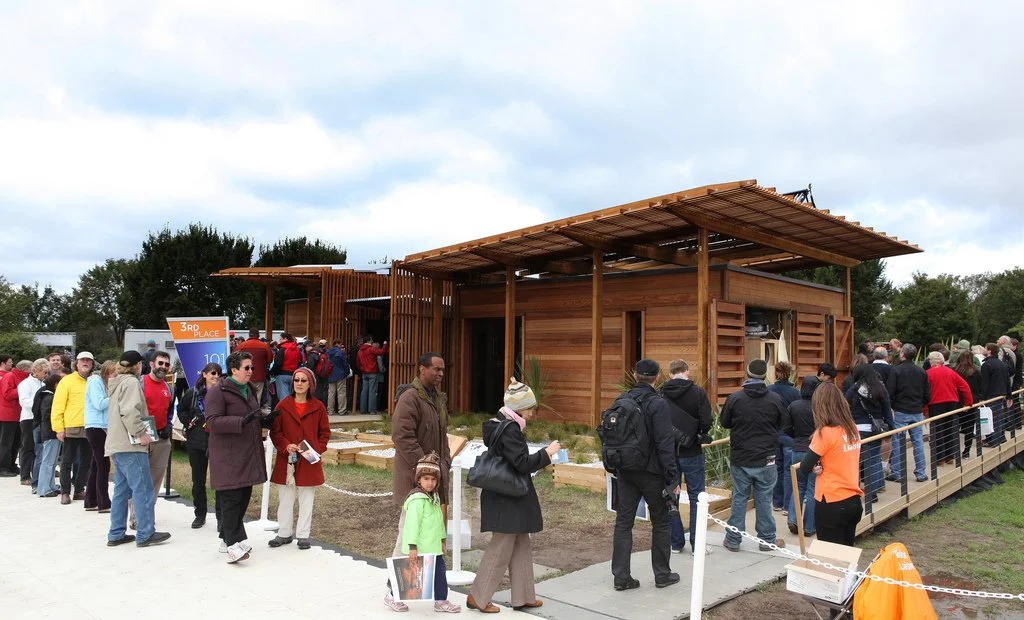
Image: Visitors tour the house during the U.S.D.O.E Solar Decathlon 2011
Perhaps the nicest proof of the original idea, though, is the house itself. After Washington it crossed the Pacific once more and eventually found a permanent home above the sea at Waimārama in Hawke’s Bay. It has since been lived in, holidayed in, photographed, awarded, written about and shared with thousands of people. Fifteen years later, it is still there, aging gracefully and still cherished by the people who experience it.

Image: The First Light House at home in Waimārama, Hawkes Bay.
There is something reassuring about that longevity. Architecture can be preoccupied with what is new, but a good home needs to work for much longer than the moment in which it was designed. We know much more today than we did as a group of university students in 2011, and undoubtedly we’d approach some things differently now. But we wouldn’t go back and change the First Light House. It belongs to that moment, and it has stood the test of time.
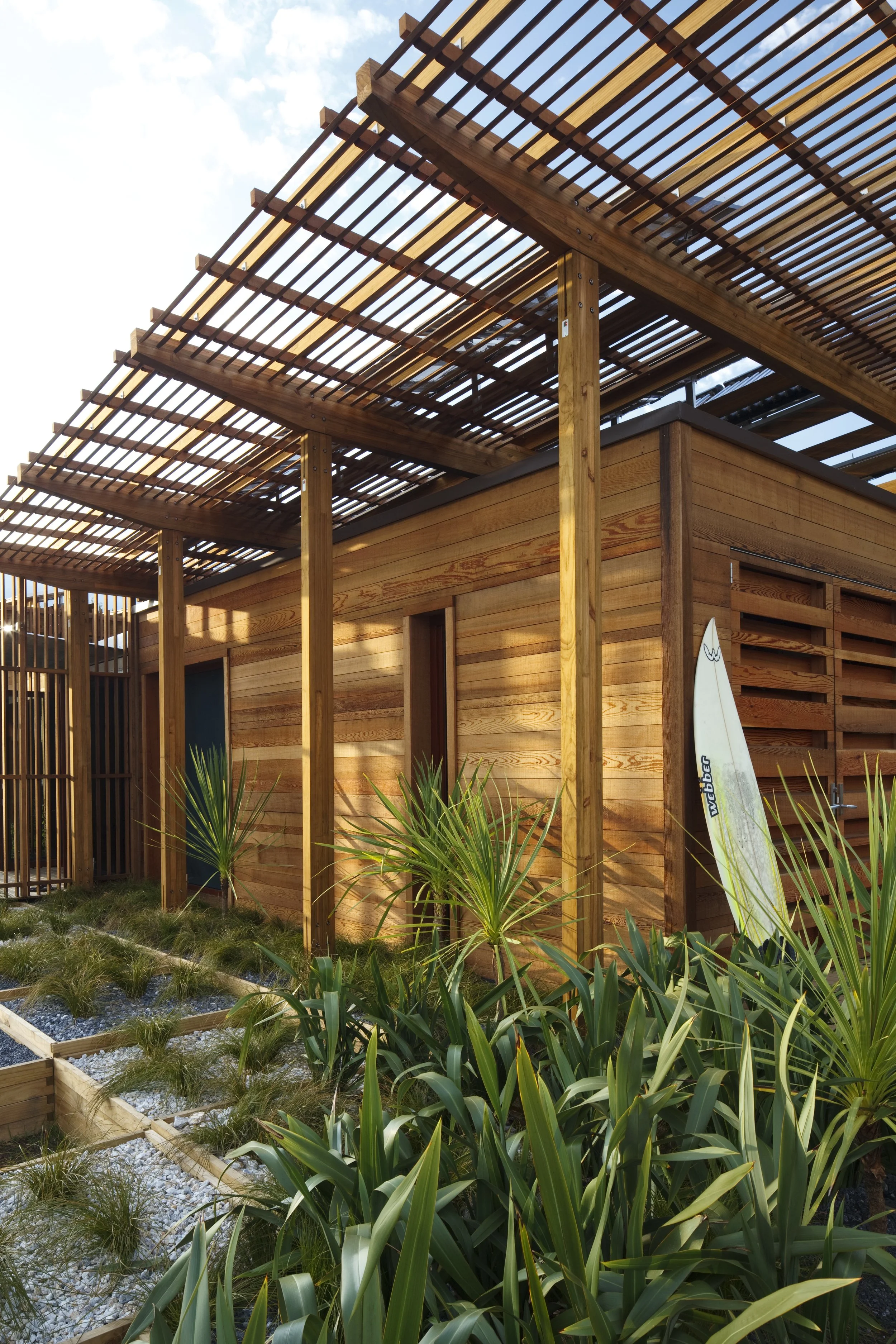
Image: Taking the ‘Kiwi Bach’ to the world stage at the Solar Decathlon.
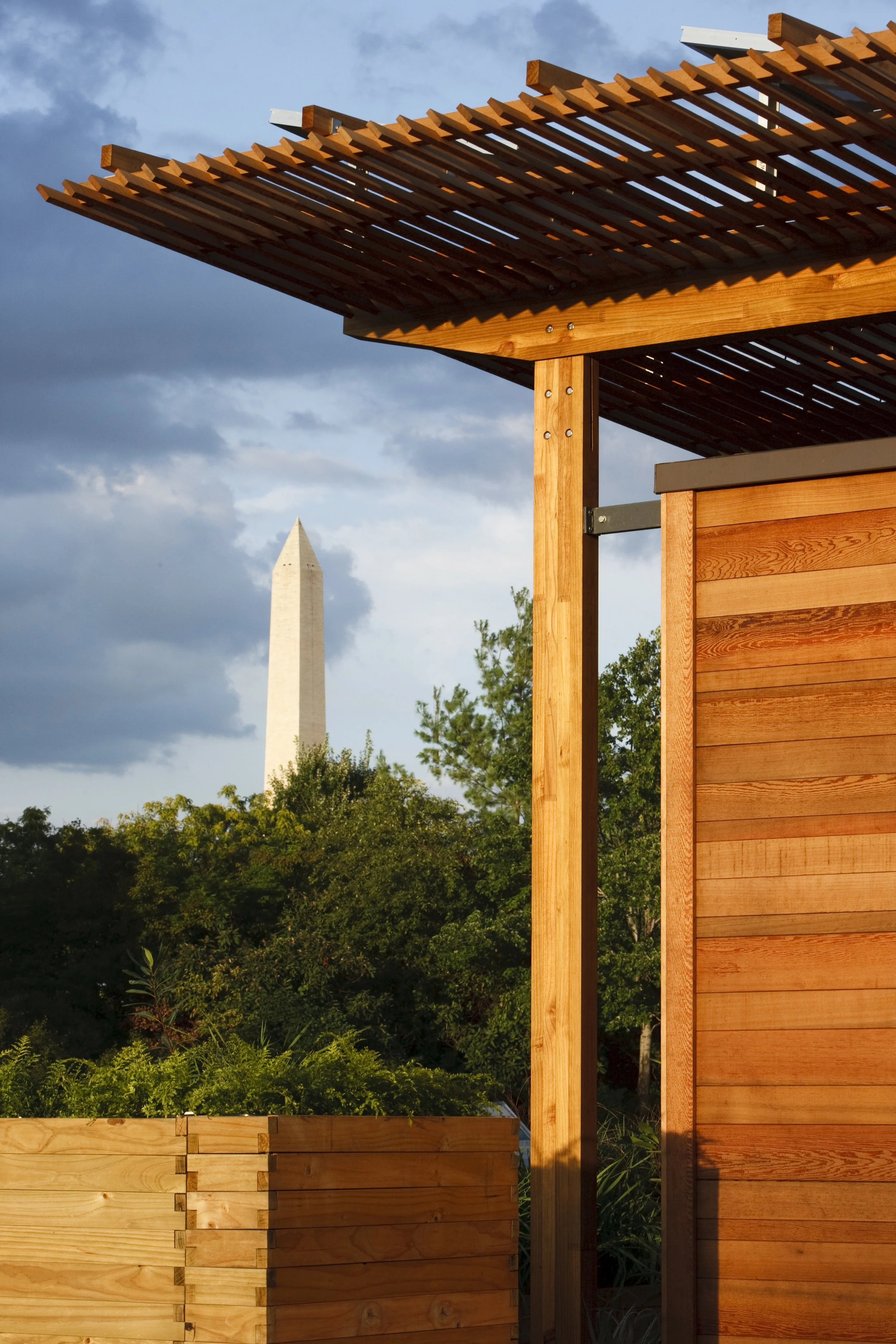
Image: The Washington Monument pokes up behind the First Light House in Washington DC.
The same is true of many of the beliefs behind it. Our built environment affects how we live, how we feel, how healthy we are, how we connect with each other and how we relate to the landscape around us. We believed then that thoughtful architecture could make those things better. Fifteen years of practice have only strengthened that belief.
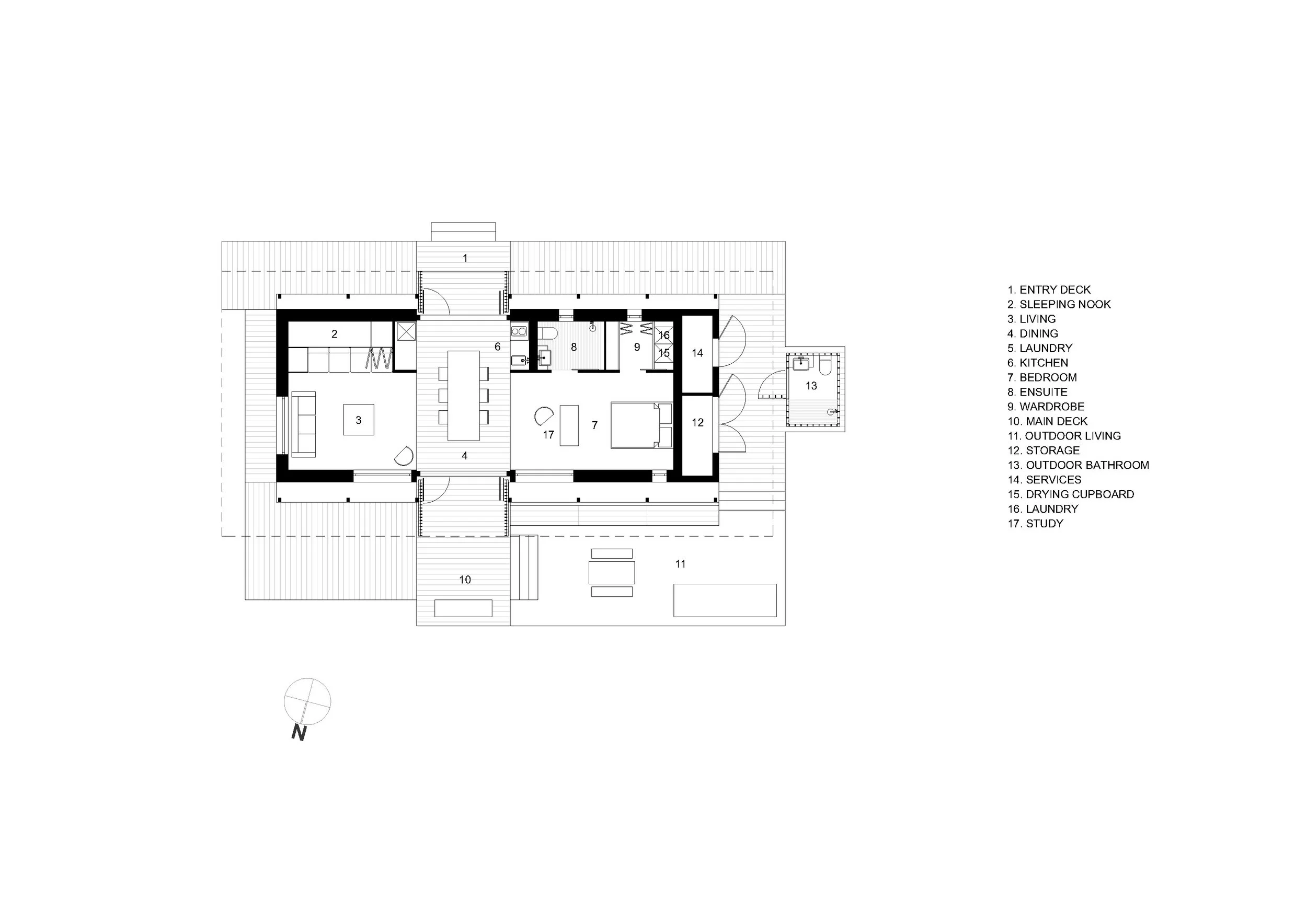
The First Light House gave us more than our name. It gave us a way of thinking, a willingness to have a go and a belief that good ideas can make a difference.
Fifteen years later, that little house is still standing.